Have you ever seen water damage show up in a home without a burst pipe or obvious flooding?
That’s because structural water damage often starts quietly, not with a dramatic failure, but with water that is not moving through the plumbing system the way it should.
Slow drains, partial blockages, and restricted sewer lines create internal pressure. Over time, that pressure forces water to escape through joints, weak connections, or cracks in pipes. When that moisture spreads into walls, flooring, or the soil around the home, structural damage begins long before anyone realizes what is happening.
This is why drain cleaning, sewer cleaning, and drain and pipe cleaning are not just about convenience. They play a direct role in protecting the structure of a home.
How Drain and Pipe Issues Lead to Structural Water Damage
Structural water damage usually does not start with a dramatic flood. It starts when wastewater cannot move through the system the way it should, so it slows down, backs up, or pushes against connections that were never meant to hold pressure.
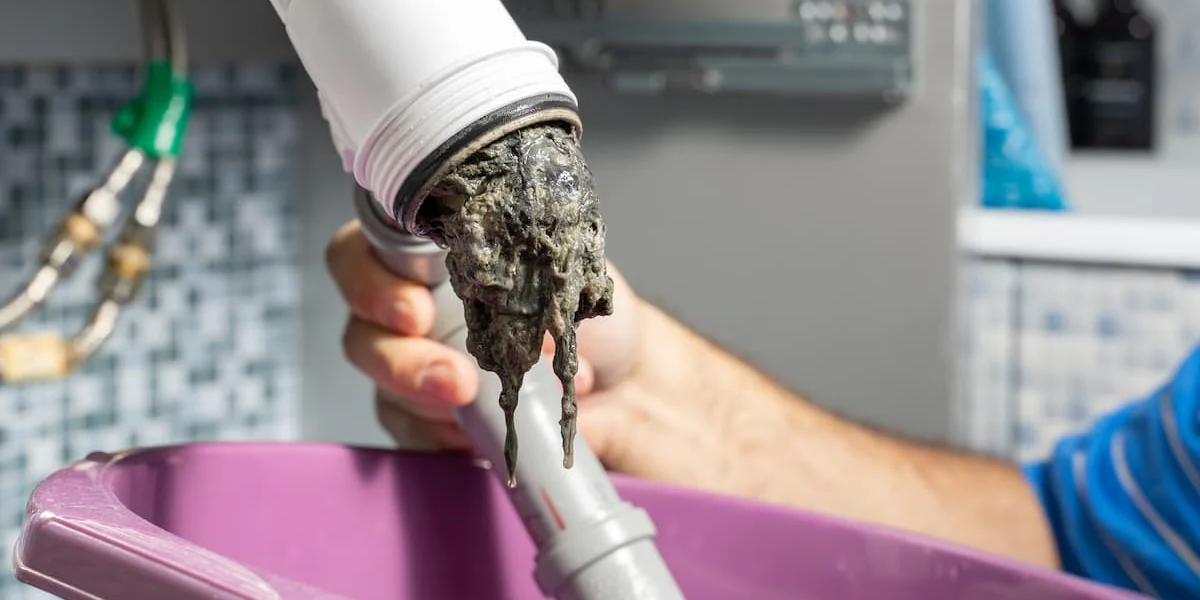
When a drain line is narrowed by grease, buildup, or roots, the pipe does not just “drain slower.” It stays wetter for longer, and that extra time and pressure show up in the weakest places first, like slip joints, old fittings, worn seals, and small cracks.
Here is how that turns into real damage around the house:
- Moisture behind cabinets or walls: A small seep at a connection can keep drywall, insulation, or cabinet bases damp until they swell, soften, or start to smell.
- Water under flooring: Slow leaks under sinks, tubs, or laundry areas can soak subflooring and cause warping or soft spots that spread beyond the original leak.
- Saturated soil near the home: When a sewer line leaks underground, the surrounding soil absorbs that water, which can lead to washout, settling, and foundation-adjacent moisture problems.
- Repeat leaks in the same area: If the line stays restricted, the system keeps stressing the same weak points, so repairs become repetitive instead of lasting.
The point is simple. Drain and pipe problems not only affect the fixture that drains slowly. They increase the chances of water ending up where it does not belong, and that is how structural damage starts.
Why Drain Cleaning Is About More Than Clearing a Backup
Many homeowners associate drain cleaning with emergency situations, like a sink or tub that will not drain. The bigger risk, however, comes from partial blockages that never fully stop water flow.
Before looking at specific methods, it helps to understand what proper drain cleaning actually does.
Drain cleaning removes buildup from inside the pipe walls. That buildup is what restricts flow, increases pressure, and causes water to push into areas it does not belong.
Effective drain cleaning helps by:
- Restoring proper flow: Water moves quickly through the system instead of lingering and backing up.
- Reducing internal pipe pressure: Less pressure means less stress on joints and connections.
- Preventing repeated moisture exposure: Ongoing seepage is one of the main causes of long-term structural damage.
Why Sewer Cleaning Matters for the Foundation
A clogged sink is annoying. A restricted main sewer line is different because it affects what happens around the home, not just inside it.
The main sewer line carries everything away from the house. When it starts to narrow due to roots, grease, or heavy buildup, wastewater does not flow out cleanly. It either slows and backs up toward the lowest drains, or it leaks out of weak underground joints and soaks the soil right where your home sits.
That matters because saturated soil does not behave the same way as dry soil. Over time, that can lead to:
- Soil washing out under concrete: Water moving through the ground can erode soil beneath slabs, walkways, or sections near the foundation.
- Settling and shifting around the home: When soil is repeatedly soaked and then dries out, it can compact or shift, creating uneven support.
- Ongoing dampness in crawl spaces or basements: Moist soil holds moisture against foundation walls, which can lead to musty air, damp surfaces, and long-term moisture problems.
Regular sewer cleaning keeps wastewater moving away from the house as it should, reducing the risk of your foundation area staying wet for long periods.
When Drain Jetting Is Necessary
Not all buildup can be removed with basic drain cleaning tools. In systems with heavy buildup or recurring issues, drain jetting is often the most effective option.
Drain jetting uses high-pressure water to clean the entire interior of the pipe. Instead of breaking through a clog, it removes grease, mineral scale, roots, and debris from the pipe walls.
Drain jetting is commonly used when:
- Grease buildup is thick and recurring: Especially in kitchen lines.
- Mineral scale has narrowed older pipes: A common issue in aging plumbing systems.
- Blockages keep returning: A sign that residue is being left behind after basic cleaning.
- Sewer lines need thorough maintenance: To prevent backups and soil saturation.
By fully cleaning the pipe, drain jetting reduces pressure and minimizes the risk of leaks that lead to structural damage.
How Drain & Pipe Cleaning Prevents Long-Term Repairs
Structural water damage is rarely sudden. It usually results from repeated exposure to moisture caused by plumbing systems that are not draining properly.
Routine drain and pipe cleaning helps prevent:
- Hidden leaks behind walls
- Water damage under floors
- Moisture buildup near foundations
- Emergency sewer backups
Addressing flow issues early is far less disruptive and far less expensive than repairing structural damage later.
Signs That Cleaning Should Not Be Delayed
Certain warning signs indicate that water is not moving through the system efficiently and may already be affecting surrounding areas.
These include:
- Slow drains throughout the home
- Frequent backups or recurring clogs
- Gurgling sounds in drains
- Unexplained moisture or damp smells
These are signals that drain cleaning or sewer cleaning may be needed to prevent further damage.
Keep Structural Damage From Starting in the First Place
If there’s one takeaway from this, it’s this. Structural water damage often starts long before you see a stain or a puddle. It starts when water is forced to linger, back up, or push against weak points because the line is restricted.
The best step forward is not waiting for a backup. It’s getting the drains and main line cleaned on purpose, before the system is stressed enough to leak into walls, floors, or the ground around the home.
Birmingham Drain Cleaning and Sewer Repair can check the line, identify where buildup is forming, and clear it using the right method, whether that is drain cleaning, sewer cleaning, drain and pipe cleaning, or drain jetting. This is the easiest time to handle it, while it is still just cleaning and not a cleanup.